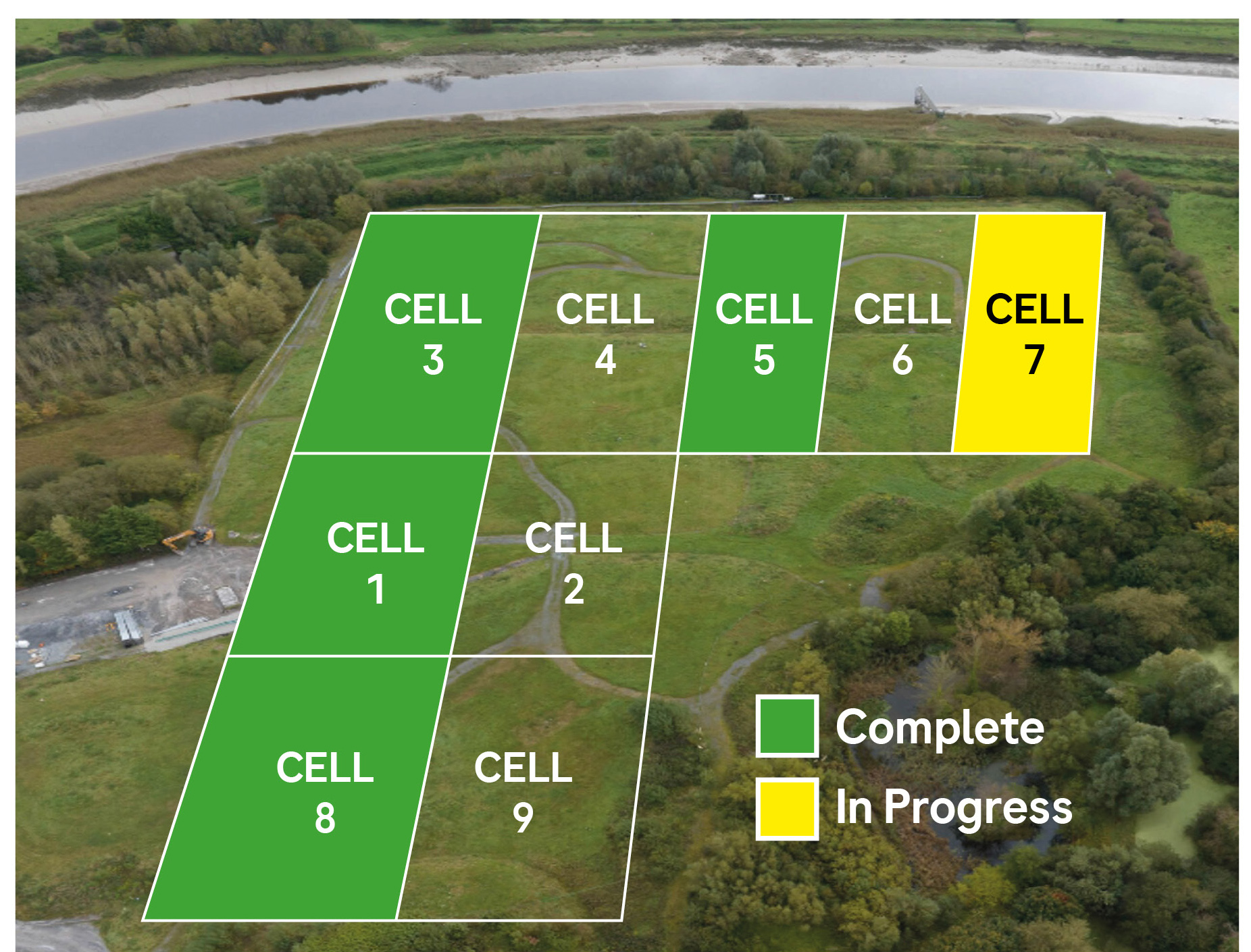
There are a total of 9 individual cells in the landfill. The remediation involves the removal of all the waste that was placed in these cell.
The larger enclosure (100m long x 44m wide x 13m high) is being used to excavate waste from cells 3,1,8, 4,2 and 9 in that order. this enclosure is moved from cell to cell via a sliding rail and does not need to be dismantled.
The smaller enclosure (100m long x 28m wide x 13m high) is being used for cell 5,6,and 7. Excavation is complete in cells 3,1,8, and 5, and 7 is almost complete.
Background to the Landfill
The site infrastructure originally included an on-site landfill which was initially licensed by the local authority and subsequently by the Environmental Protection Agency (EPA).
The requirement for a landfill was linked to the fact that waste emanating from Roche’s on-site manufacturing activities could not be sent to municipal landfills, hence it was placed in the landfill.
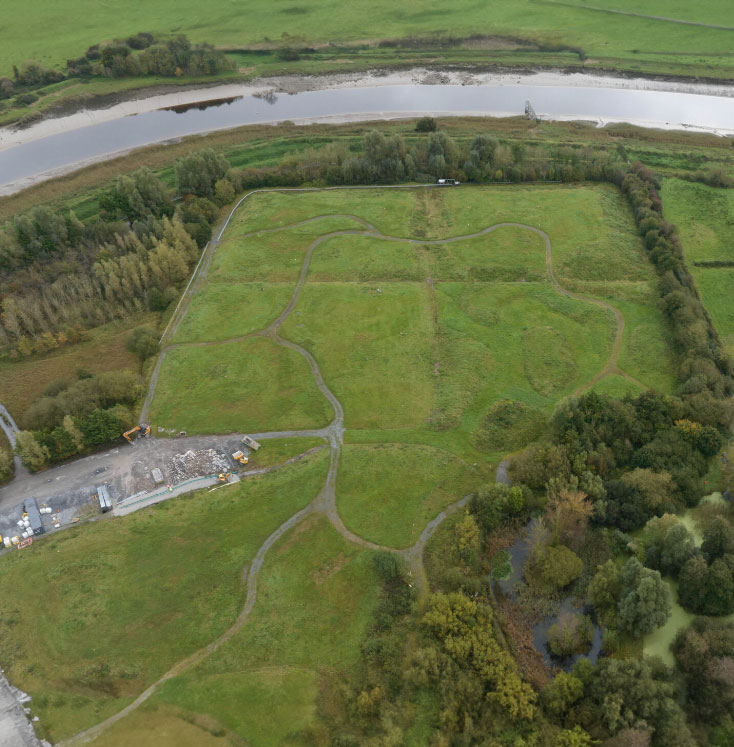
In 2006, a higher focus on recycling resulted in the landfill being capped and closed. Non-recyclable waste was sent to off-site waste management facilities designed specifically for handling waste generated from the site
When Roche announced its the decision to cease operations in Clarecastle and to fully remediate the site to enable it to have a sustainable future, the removal and remediation of waste deposited in the on-site landfill was an intrinsic part of this decision.
A team effort
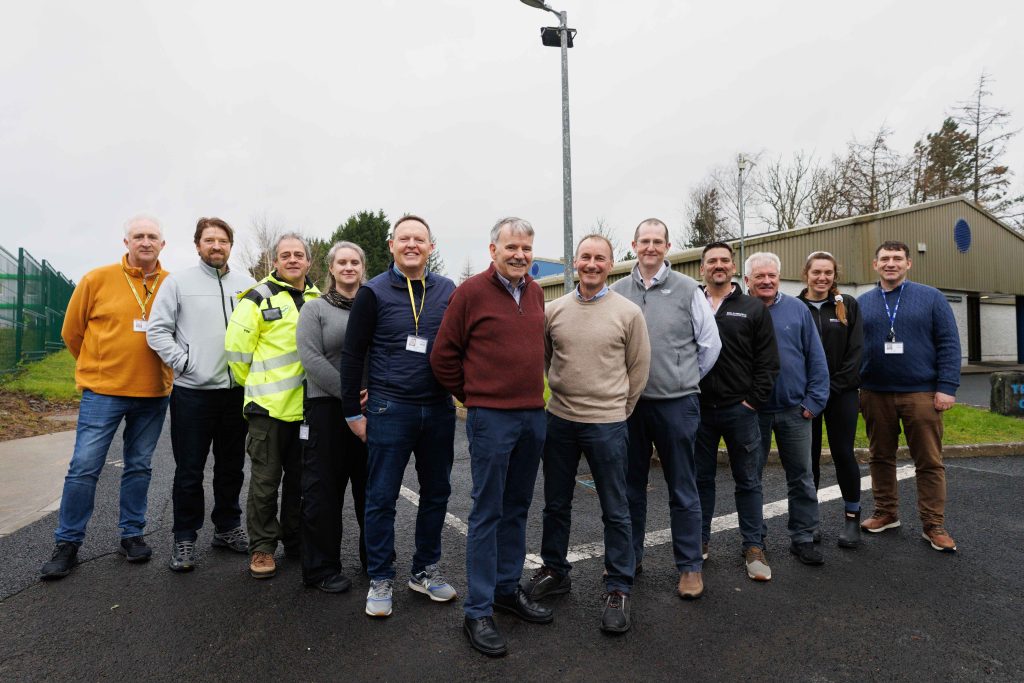
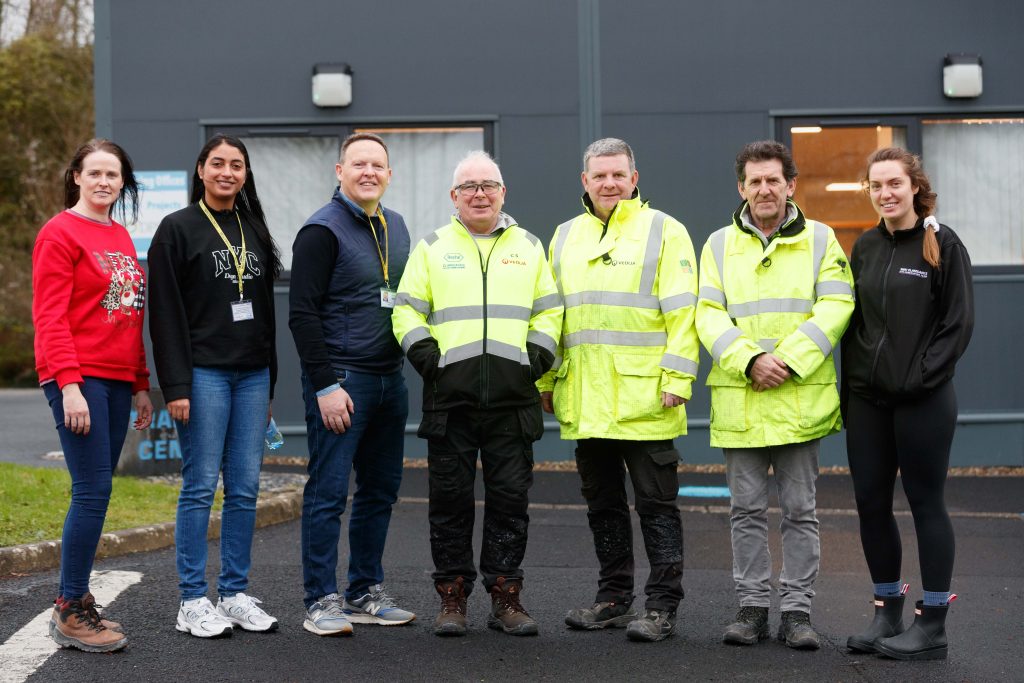
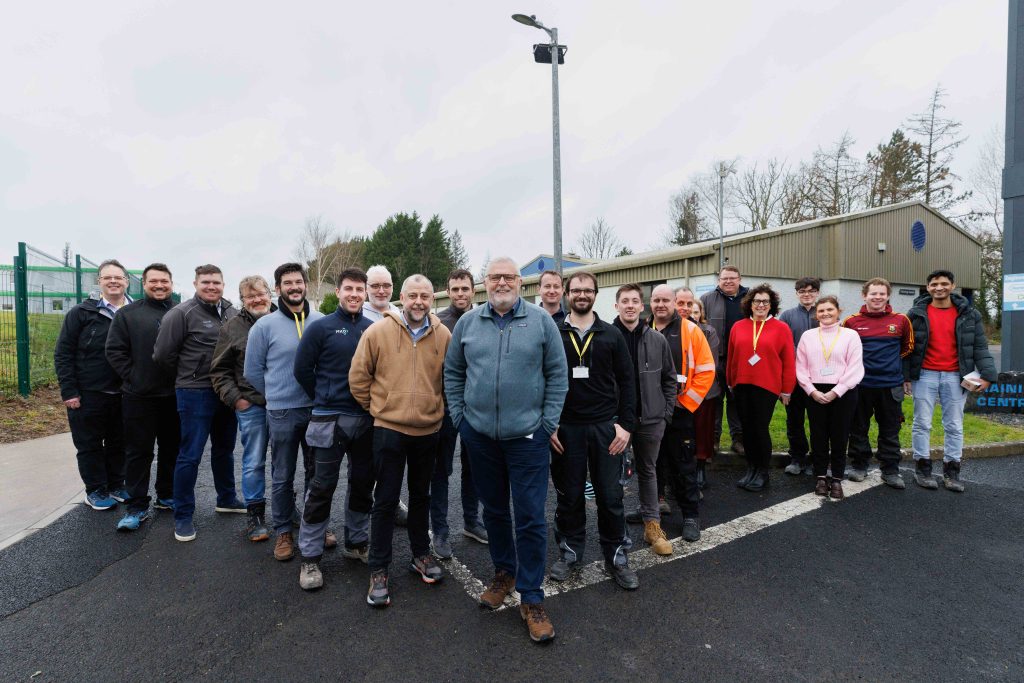
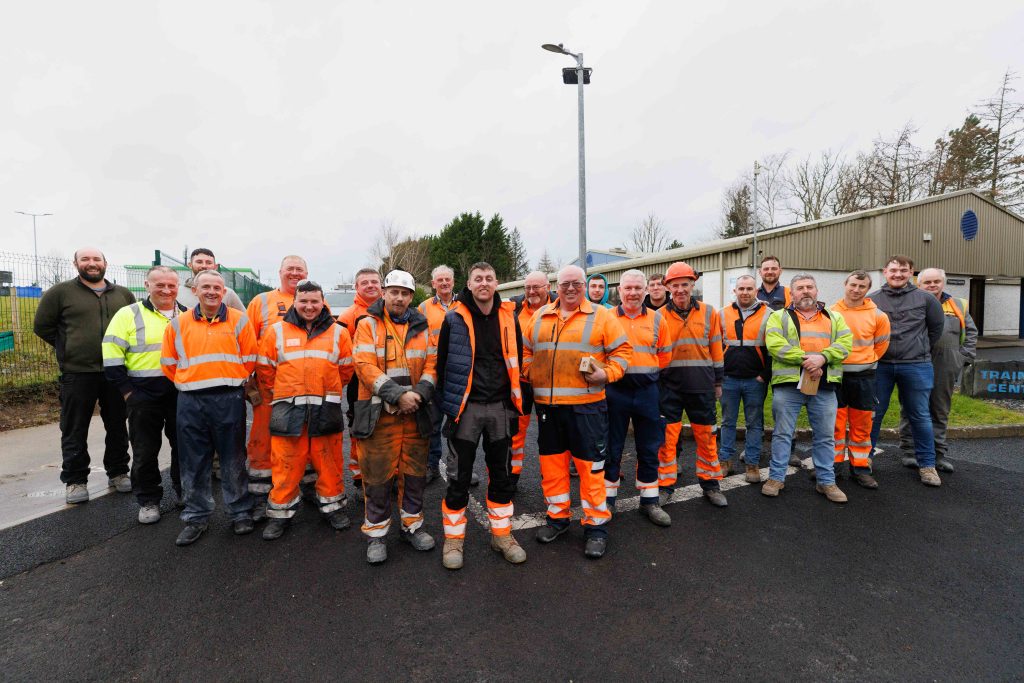
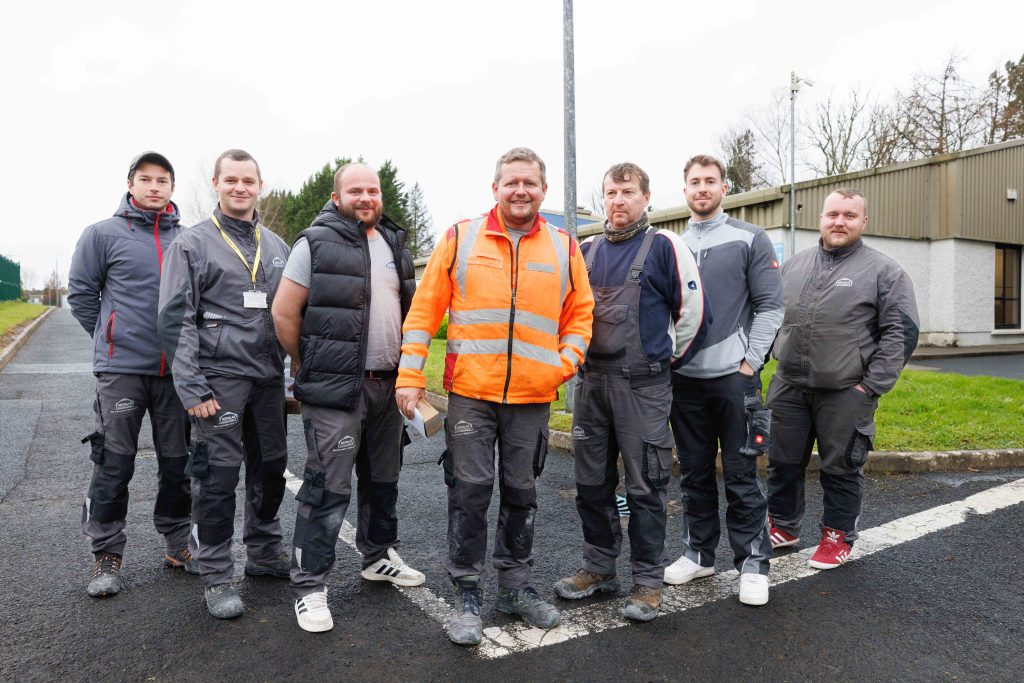
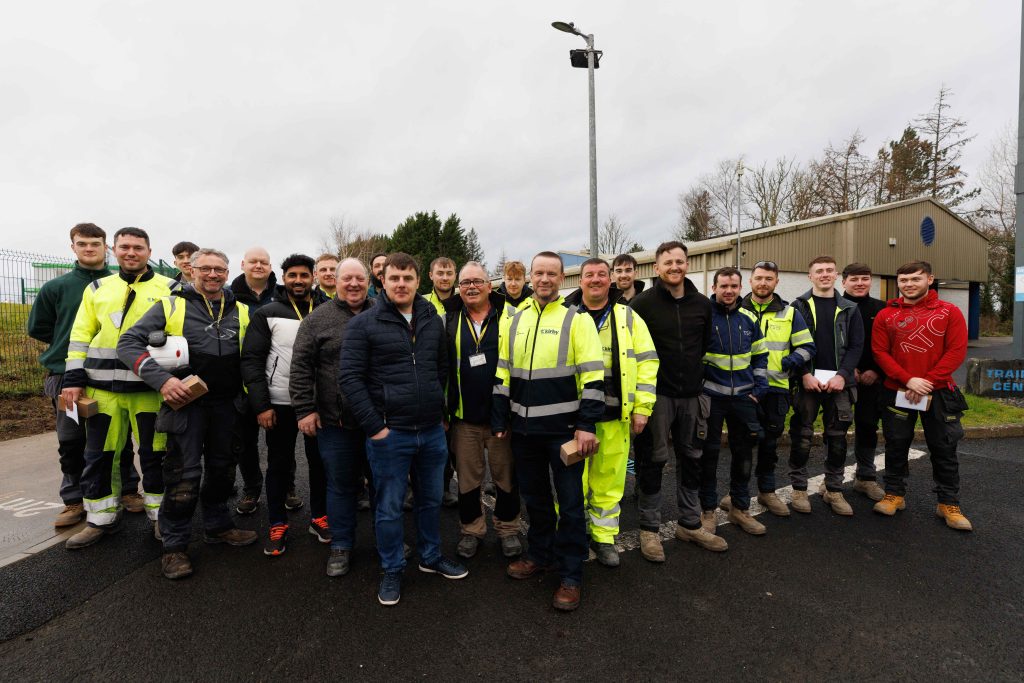
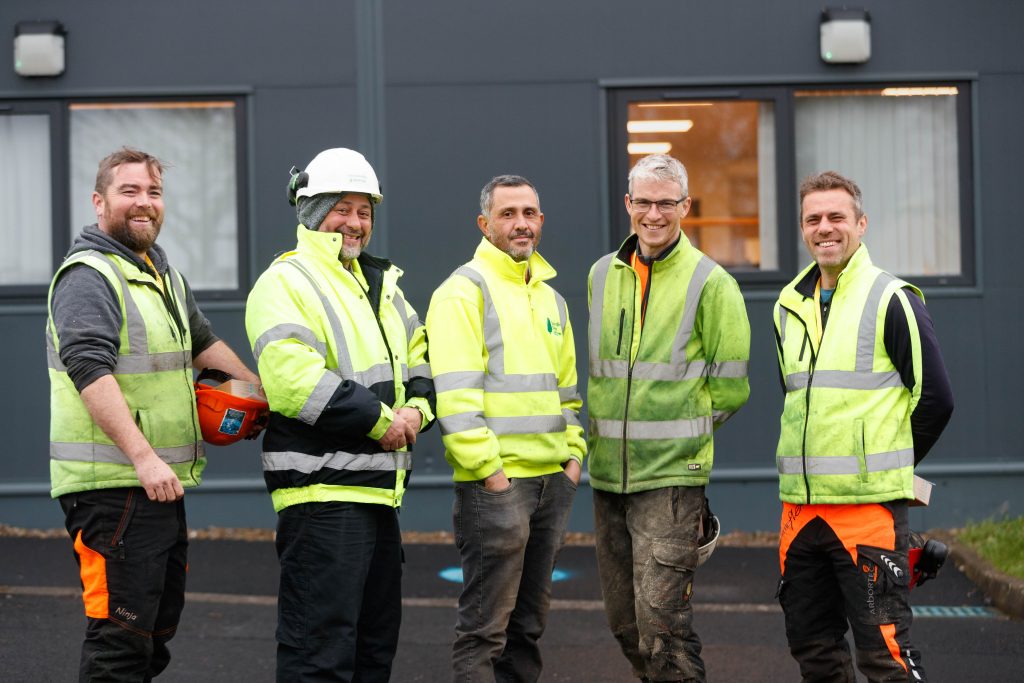
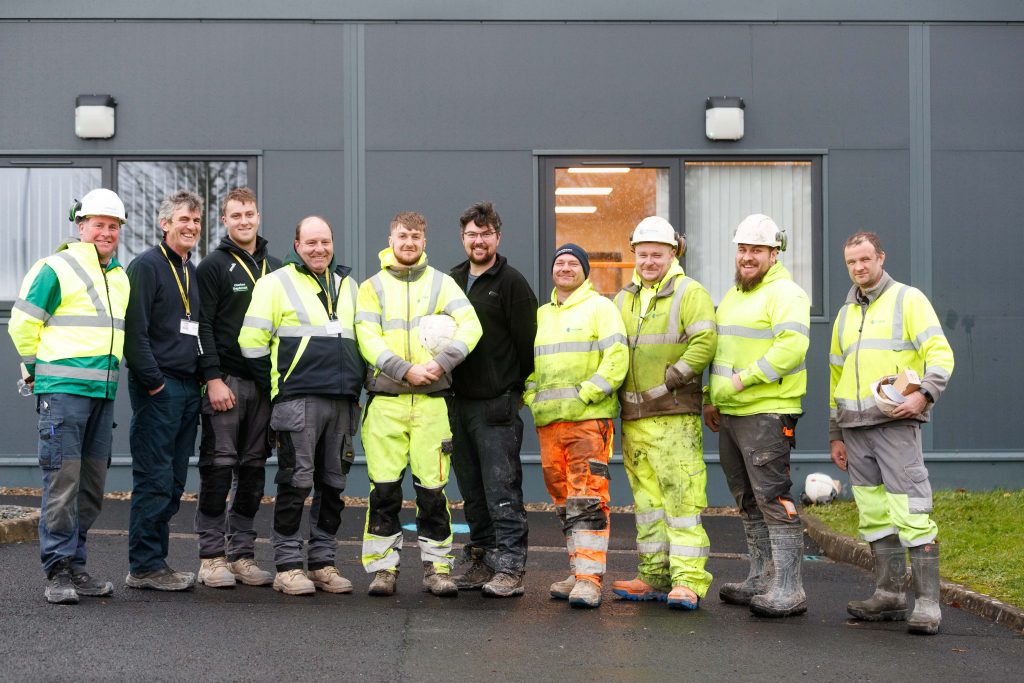
The success of the site decommissioning project to date is due to the dedicated commitment of teams from a wide variety of disciplines overseen by Roche Projects and the main contractor Indaver. The team photos below were taken in December 2024, prior to the commencement of the landfill remediation.